Bet Never: Why the Future of Payments Just Hit the Fast Lane
An FI CEO told me tap-to-pay was "a European thing." I offered him $100 for every merchant that didn't accept it. He wouldn't take the bet. Innovation isn't coming — it's already parked in the driveway.
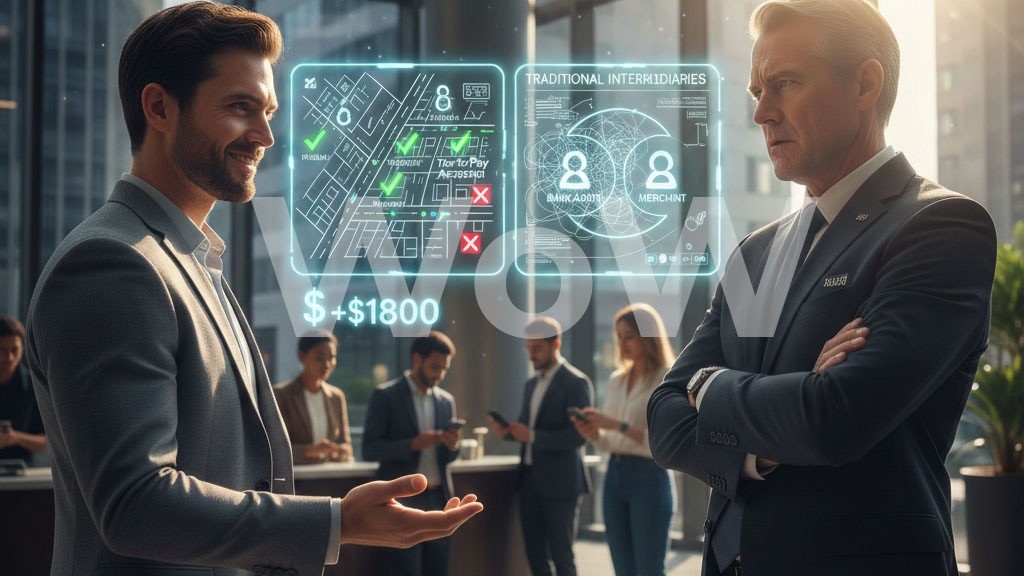
It happened in the lobby of a high-rise, just after a board meeting. I was talking to a Financial Institution CEO — we'll call him "X402" — about the radical shifts in Point of Sale (POS) technology.
He leaned back, adjusted his tie, and gave me that look. The one that says "I've seen trends come and go."
"Tap-to-pay?" he scoffed. "That's a European thing. Maybe a big-city thing. But here? Our members aren't there yet. The infrastructure isn't there yet."
I didn't argue. I just reached for my wallet. (My digital wallet — I don't carry cash.)
The $100 Challenge
I made him a simple offer:
"Let's walk out those doors right now and hit 20 stores. For every merchant that doesn't accept tap-to-pay, I'll give you $100. For every one that does, you owe me $100."
He wouldn't take the bet.
Deep down, even the skeptics know the truth: Innovation isn't coming. It's already parked in the driveway.
Beyond the Tap: The Rise of Agentic Commerce
While tap-to-pay is the visible surface, the real transformation is happening under the hood with Agentic Commerce and the X402 protocol philosophy. We are moving away from passive "swipe and hope" transactions toward a world where your financial identity acts as an agent. It's not just about a chip hitting a reader; it's about a seamless, intelligent exchange of value.
The Interchange Myth
There's a common misconception that innovation means the death of interchange fees. It doesn't. Interchange isn't going away; it's being reformatted.
- Fewer Middlemen: The traditional "spaghetti map" of payment processors, gateways, and third-party aggregators is being streamlined.
- Direct Transactionality: We are moving toward a model where people can transact directly with one another and with merchants through the safety and soundness of their own bank.
- Safety First: By cutting out unnecessary intermediaries, we reduce the "attack surface" for fraud while maintaining the ledger-based trust that banks provide.
The New Reality for Financial Institutions
For credit unions and banks, the message is clear: if you are waiting for the "future" to arrive, you've already missed the bus.
Innovation in payments isn't about replacing the bank; it's about making the bank invisible yet indispensable at the moment of purchase.
The infrastructure is ready. The consumers are ready. The only thing left to do is decide if you're going to lead the walk down the street — or be the one refusing the bet.
Want to talk about this with me?